
Key Takeaway: Booking a professional furnace tune-up before winter helps your system run safer, warmer, and more efficiently all season long — preventing breakdowns, reducing heating bills, and extending your unit’s lifespan just when your family needs comfort most.
The Countdown to Winter: Why Timing Matters
As temperatures begin to drop across Myrtle Beach, homeowners start focusing on everything from cozy blankets to holiday plans. But one thing’s often forgotten until it’s too late — the furnace.
Every year, countless homeowners wait until the first cold snap to turn on their heating system, only to discover it’s blowing cold air (or worse, not working at all). That’s why HVAC professionals recommend scheduling your furnace tune-up before winter — when technicians are available, parts are easier to source, and you can enjoy the peace of mind that comes from a furnace running safely and efficiently.
At At Your Service Plumbing, Heating & Air, we encourage local homeowners to think ahead. A little preventive care now can mean a lot of warmth, safety, and savings later.
What Is a Furnace Tune-Up?
A furnace tune-up is a comprehensive inspection and cleaning performed by a licensed HVAC technician to ensure your heating system is operating at peak performance.
During a tune-up, technicians typically:
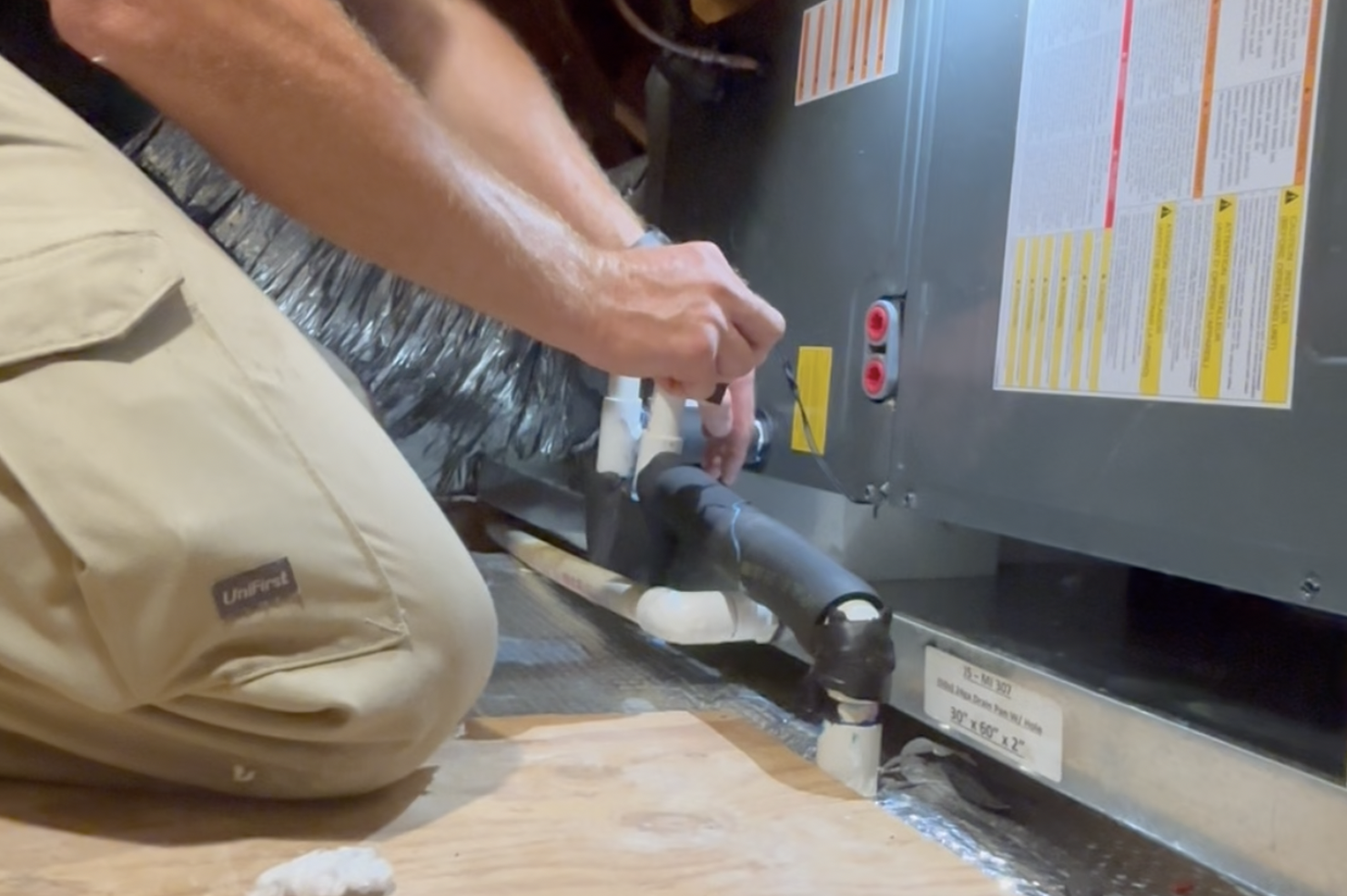
Clean and inspect burners, coils, and the heat exchanger
Lubricate moving parts
Calibrate the thermostat
Test carbon monoxide levels
Replace or clean air filters
Check electrical components and safety controls
Measure airflow and system efficiency
It’s essentially a “checkup” for your home’s heating heart — keeping it healthy for the heavy workload ahead.
The Top Benefits of Pre-Winter Furnace Servicing
1. Prevent Unexpected Breakdowns
Winter always seems to test your heating system at the worst possible time — the coldest week of the year. A pre-season tune-up helps identify small issues (like worn parts or buildup) before they escalate into emergency repairs.
During your appointment, a professional can:
Spot frayed wires or burned-out components.
Detect gas leaks or ventilation problems.
Ensure ignition systems work properly.
Catch early signs of wear before they stop your furnace mid-season.
Having your furnace inspected in October or November allows time to schedule repairs before every local HVAC company is booked solid.
2. Improve Energy Efficiency and Lower Bills
A tuned-up furnace runs more smoothly, meaning less energy is wasted. Dust, debris, or misaligned parts can make your furnace work harder than necessary, driving up monthly heating costs.
According to the Department of Energy, heating accounts for nearly 30% of a home’s energy bill — so even a 10–15% efficiency boost makes a real difference.
Simple tune-up services — cleaning burners, lubricating parts, and adjusting airflows — maximize heat output, reduce fuel waste, and lower your carbon footprint, all while keeping your home comfortable.
3. Extend the Lifespan of Your System
Your furnace is one of the largest home investments you’ll make. Routine care keeps its critical parts in top condition, preventing premature wear and helping you get more years out of your system.
Dirty or unbalanced systems often struggle to maintain temperature, putting stress on the blower motor and heat exchanger. Regular maintenance doesn’t just save energy — it helps your furnace live long enough to make the most of your investment.
4. Keep Your Family Safe
A malfunctioning furnace can lead to safety hazards like carbon monoxide leaks or electrical shorts. CO is an odorless, colorless gas that can be deadly in enclosed spaces — which is why every furnace tune-up includes a CO detector test and inspection of your system’s combustion process.
Pro Tip: Replace old carbon monoxide detectors every five years and test them monthly through the winter months.
A properly maintained heating system ensures consistent airflow, balanced combustion, and safe indoor air for your family — especially vital during closed-window weather.
5. Enjoy Consistent, Even Heating Throughout Your Home
Are some rooms warmer than others? A tune-up can solve that. During service, HVAC technicians ensure your system distributes air evenly, adjusting ducts, checking filters, and balancing airflow.
If you’ve been battling cold spots or uneven temperatures, fall is the perfect time to have the issue diagnosed and fixed before the chill sets in.
6. Get Priority Scheduling and Discounts with Service Plans
To make seasonal maintenance easier and more affordable, At Your Service Plumbing, Heating & Air offers heating and cooling maintenance plans. These plans often include:
Biannual tune-ups for both heating and cooling systems
Priority service during peak seasons
Discounts on parts and labor
Extended equipment warranties
Joining a service plan saves time and money, especially when winters are unpredictable. Ask about our seasonal promotions — many homeowners find their plans pay for themselves with just one avoided breakdown.
Common Signs You Need a Furnace Tune-Up
Even if your furnace “seems fine,” it’s smart to watch for subtle warning signs your unit needs a professional check-up:
Heating bills have risen unexpectedly
Furnace runs constantly or cycles on and off frequently
Strange smells or burning odors from vents
Uneven temperatures throughout the home
Noisy operation — banging, clanking, or rattling sounds
Yellow pilot lights instead of blue
If you notice any of these, don’t wait for the freeze. Schedule your furnace tune-up in advance to catch problems while they’re still small — and cheaper to fix.
FAQs: Furnace Tune-Ups and Winter HVAC Prep
Q: How often should I have my furnace serviced?
A: At least once per year, ideally in early or mid-fall before major use begins. Regular maintenance keeps manufacturer warranties valid and ensures safe, efficient operation.
Q: What’s the difference between a tune-up and a repair?
A: A tune-up is preventive maintenance that keeps your system running smoothly; a repair fixes a specific breakdown or malfunction. Routine tune-ups often prevent the need for emergency repairs later.
Q: Can a furnace tune-up really lower my energy bills?
A: Yes — a clean, well-calibrated furnace doesn’t waste energy. Homeowners often see 10–20% savings after routine servicing.
Q: How long does a furnace tune-up take?
A: Most appointments take about 60–90 minutes. More thorough inspections may take longer, especially for older systems or high-efficiency models.
Q: Does furnace maintenance include duct cleaning?
A: Not always. Duct cleaning is a separate but complementary service, often recommended every 3–5 years to improve air quality and system airflow.
The Best Time to Schedule Your Tune-Up
Book early — before temperatures drop below 50°F and local service calls spike. Having your unit inspected in late fall ensures your furnace is ready the moment you turn it on, saving you the stress of emergency calls when technicians are busiest.
In many cases, At Your Service Plumbing, Heating & Air offers seasonal tune-up specials, making it more affordable to prep your home before peak winter usage.
Enjoy a Warm, Worry-Free Winter
When winter weather hits, you shouldn’t have to worry about whether your furnace can handle it. A pre-season tune-up guarantees comfort, safety, and savings for the months ahead.
At At Your Service Plumbing, Heating & Air, our certified technicians ensure your heating system performs at its best. From cleaning burners to checking carbon monoxide levels, we handle every detail — so you can stay cozy without a second thought.
Schedule your furnace tune-up today and make this winter your most comfortable, reliable, and energy-efficient one yet.
📞 Call At Your Service Plumbing, Heating & Air or book online to secure your appointment before the first freeze hits. Your comfort is our service — all winter long.