
Odd smells from a heating system can range from completely normal to serious safety warnings, so paying attention to what you notice is important for every homeowner. Many odors come from harmless dust burning off at the start of heating season, but others can point to electrical issues, gas leaks, or mold and should never be ignored.
Key takeaways
- A light burning dust smell at first startup is usually normal and should fade within a few hours.
- Electrical, plastic, rotten egg, or strong moldy odors are warning signs that call for prompt professional help.
- If you ever smell gas or a strong rotten egg odor, leave the home immediately and contact your gas company or emergency services.
Normal smells when you first turn the heat on
When you switch on your furnace or heating system after months of sitting idle, a brief burning smell is very common. Dust that has settled on the heat exchanger, burners, or electric heating elements burns off as the metal heats up, sending a temporary hot or dusty odor through your vents.
This odor should fade after the system runs for a few hours. To minimize it, you can replace your air filter and gently vacuum or dust around supply registers before the first cold snap. If the burning smell lingers for more than a day of regular use, or seems especially strong, it could mean the system is dirty and due for a professional cleaning and inspection.
Burning, plastic, or electrical smells
If the odor from your heating system smells like burning plastic, hot metal, or an electrical appliance overheating, treat it as a warning sign. These smells can indicate issues such as overheating blower motors, failing capacitors, damaged wiring, or components working harder than they should.
What to do
- Turn off the heating system at the thermostat, and if the smell is strong, shut off power to the furnace at the breaker.
- Do not continue running the system to “see if it goes away” since overheating electrical components can present a fire risk.
- Call a professional heating technician, such as At Your Service Plumbing + Heating + Air, to inspect the equipment before turning it back on.
If you can safely look around vents, check that no toys, plastic items, or debris are pressed against floor or wall registers, since those can also create a hot plastic smell when the system runs.
Rotten egg or sulfur smells
A strong rotten egg or sulfur odor around your furnace or coming through your vents is a serious emergency. Natural gas itself is odorless, so gas companies add a chemical called mercaptan that creates this distinct smell so leaks can be detected quickly.
What to do immediately
- Do not use lighters, matches, or anything that could spark.
- Do not operate electrical switches, including turning lights on or off.
- Get everyone out of the home right away and move to a safe distance.
- Once you are outside and away from the building, call your gas company’s emergency number or local emergency services.
Do not attempt to diagnose or repair suspected gas leaks yourself. Only trained professionals with proper equipment should handle gas line and combustion issues.
Musty, moldy, or damp smells
If the air from your heating system smells musty, like a damp basement or old socks, it often points to moisture problems or mold growth in the ductwork, air handler, or nearby spaces. Condensation, clogged drain lines, or past water leaks can create an environment where mold and mildew thrive.
What to do
- Replace your air filter if it is dirty, since a clogged or damp filter can contribute to odors and poor airflow.
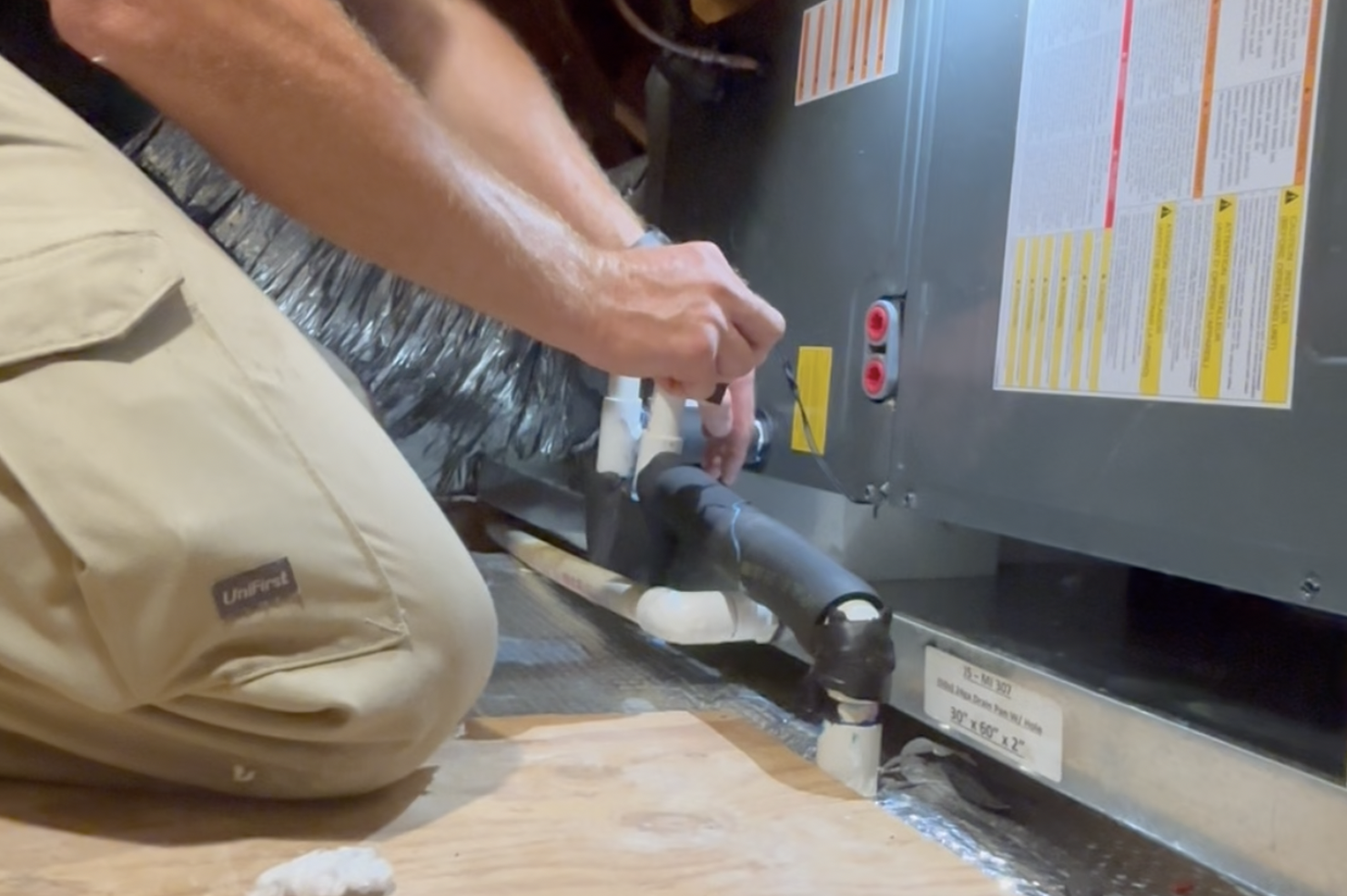
- Look for visible moisture around the indoor unit, drain pan, or nearby piping, and check that any condensate drains are clear.
- Schedule a professional inspection and duct cleaning if the smell persists, especially if anyone in the home has allergies or asthma.
A technician can check for hidden moisture problems, clean components, and recommend improvements like better drainage or dehumidification to prevent the smell from returning.
Oily or smoky smells from oil systems
Homes with oil furnaces or boilers may notice oily or smoky odors if something is not working correctly. These smells can indicate an oil leak, burner problems, or issues with venting and the flue.
What to do
- Turn off the heating system if the smell is strong or new.
- Check the area around the oil tank and furnace for visible leaks, but avoid touching or attempting repairs.
- Call a qualified service technician promptly, since venting or burner issues can affect both safety and system performance.
Persistent smoky odors may mean exhaust gases are not venting properly, which can be dangerous during heavy winter use.
When a new furnace smells
If you have a brand new heating system, a noticeable odor during the first few cycles can be normal. Manufacturing oils, coatings on metal parts, and new components can give off a “new furnace” smell as they heat up for the first time.
This type of smell should diminish after the system runs for several hours or a day or two. If it does not fade, or if the odor becomes harsh, chemical like, or is accompanied by unusual noises or performance issues, contact the installer to recheck the system.
When to call a professional
Some smells can be watched briefly, while others require immediate action. As a simple rule
Call a professional heating technician right away if
- You smell rotten eggs or sulfur at any time.
- You notice electrical, burning plastic, or metallic odors that do not fade quickly.
- Musty or moldy smells persist after changing filters and basic checks.
- There is visible smoke, soot, or signs of overheating around the furnace or vents.
Schedule a non emergency service visit if
- The burning dust smell lasts more than a few hours into the heating season.
- Odors come and go but keep returning whenever the system cycles on.
- You have not had a professional tune up in more than a year and want peace of mind.
A professional visit from a company like At Your Service Plumbing + Heating + Air can include cleaning, safety checks, combustion testing, and airflow verification to make sure everything is operating safely and efficiently.
Simple habits to reduce heating odors
Homeowners can take a few basic steps each season to cut down on unwanted smells and keep the system healthier
- Replace air filters regularly, typically every one to three months during heavy use, or more often with pets or allergies.
- Keep supply and return vents clear of furniture, rugs, and objects that could overheat or trap dust.
- Have ducts and the indoor unit inspected and cleaned periodically, especially if you notice recurring musty smells or dust buildup.
- Schedule annual maintenance so small issues are caught before they turn into bigger problems.
Understanding what different heating system smells mean helps you decide when it is safe to watch and wait and when you need prompt professional help. When in doubt, especially with strong, strange, or sudden odors, turning the system off and calling a trusted technician is the safest move.