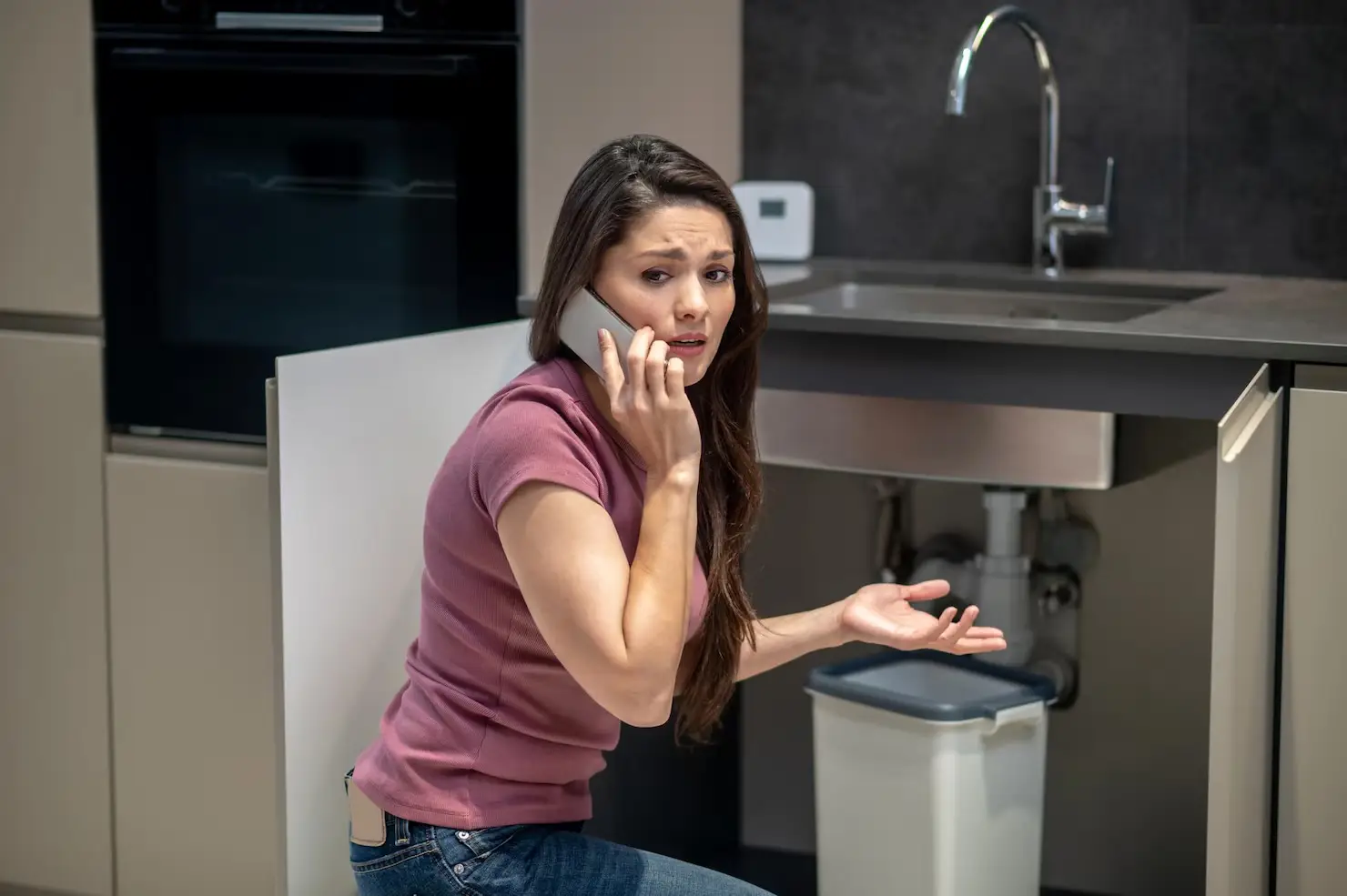
Plumbing systems work harder in cold weather, and winter is often when small issues turn into big, expensive emergencies. Burst pipes, water heater strain, and slow or clogged drains are some of the most common cold weather plumbing problems, but a little preparation can dramatically lower your risk.
Key takeaways
- Cold temperatures increase the risk of frozen and burst pipes, water heater failures, and slow or clogged drains.
- Simple steps like insulating pipes, protecting outdoor fixtures, and managing hot water demand help prevent many winter emergencies.
- Knowing where your main shutoff valve is and scheduling preventive maintenance gives you a major advantage when the temperature drops.
Burst and frozen pipes
Frozen pipes are the winter plumbing problem that can cause the most sudden damage. When water inside a pipe freezes, it expands and can split or burst the pipe, often in hidden areas like walls, crawl spaces, or basements. When the ice thaws, water pours out, leading to flooding, structural damage, and costly repairs.
Pipes running through unheated or poorly insulated spaces are most at risk, including basements, garages, crawl spaces, attics, and exterior walls. Sudden cold snaps or leaving the thermostat too low when you are away can push these vulnerable sections past their limits.
How to prevent frozen and burst pipes
- Insulate exposed pipes: Install foam sleeves or pipe wrap on pipes in unheated basements, crawl spaces, attics, and garages to help keep water above freezing.
- Seal drafts: Close gaps and cracks around pipe penetrations where cold air can blow directly onto plumbing.
- Keep indoor temperatures stable: Avoid turning your thermostat down too far at night or when away; many pros recommend keeping it at least around the mid 50s Fahrenheit or higher in winter to protect pipes.
- Let faucets drip in extreme cold: A slow trickle from faucets served by vulnerable lines helps keep water moving and reduces pressure buildup inside pipes.
- Open cabinet doors: Under sinks on exterior walls, leave cabinet doors open on very cold nights so warm room air can reach the pipes.
You should also know exactly where your main water shutoff valve is and how to use it so you can quickly stop water flow if a pipe does burst.
Water heater strain and failures
In winter, incoming water is colder, so your water heater must work harder and longer to bring it up to temperature. At the same time, holiday guests and heavier hot water use increase demand, putting even more strain on the unit. Older water heaters or those with heavy sediment buildup may struggle to keep up, leading to lukewarm showers, slow recovery times, or even leaks and tank failures.
Ignoring maintenance can shorten a water heater’s lifespan and increase energy waste, especially during cold months.
How to protect your water heater
- Check age and condition: Most tank water heaters last around 8–12 years; older units or those showing rust, leaks, or noises should be inspected and possibly replaced before winter.
- Flush sediment: Sediment buildup at the bottom of the tank reduces efficiency and can cause overheating and noise; periodic flushing helps maintain performance.
- Set temperature correctly: A setting around 120°F is commonly recommended to balance comfort, safety, and energy efficiency.
- Space out showers: During busy times, leaving 10–15 minutes between showers helps your water heater recover and reduces strain on drains.
A pre winter inspection from a professional plumber can identify issues early and keep your water heater ready for heavier winter use.
Slow drains and winter clogs
Winter and the holiday season bring heavy kitchen use, more indoor time, and more guests, all of which increase stress on drains and fixtures. Grease, food scraps, and fibrous foods in kitchen drains, plus hair and wipes in bathroom drains, are common culprits. Colder temperatures can make grease and soap residues solidify more quickly inside pipes, contributing to blockages and foul odors.
How to prevent winter drain problems
- Keep grease and oils out of sinks: Pan drippings and cooking oils should cool in a container and go into the trash, not down the drain where they solidify and coat pipes.
- Avoid problem foods in disposals: Fibrous items like celery, onion skins, potato peels, and corn husks can wrap around disposal blades and clog lines; compost or trash them instead.
- Scrape plates first: Removing food scraps before rinsing dishes reduces buildup and the risk of clogs.
- Use hair catchers: Simple strainers in shower and tub drains catch hair before it reaches the plumbing, a big help when more people are showering in winter.
- Remind guests about toilets: Only human waste and toilet paper should be flushed; wipes, feminine products, paper towels, and similar items frequently cause winter backups.
If you notice slow drains, gurgling, or bad odors, addressing the issue early with cleaning or a professional inspection is far better than waiting for a complete blockage.
Outdoor fixtures, hoses, and hidden exterior lines
Hoses left attached, unprotected hose bibs, and exterior lines to sprinklers or outbuildings can freeze quickly and send damage back into the home. Water trapped in outdoor fixtures expands as it freezes and can crack fittings or interior sections of pipe.
How to protect outdoor plumbing in winter
- Disconnect hoses: Remove and drain garden hoses, then store them indoors for the season.
- Shut off and drain outdoor spigots: Use indoor shutoff valves for exterior faucets, then open the faucets to let remaining water drain.
- Install insulated covers: Foam covers over outdoor faucets help shield them from wind and extreme cold.
- Winterize irrigation systems: Have sprinkler lines blown out and shut down before freezing temperatures arrive to prevent underground pipe damage.
A brief outdoor plumbing check in the fall is often enough to prevent surprise leaks or damage when temperatures plunge.
Hidden leaks, septic issues, and other winter stress points
Cold weather can also expose existing weaknesses in your plumbing system. Small leaks, marginal seals, and aging components may fail under the combination of temperature swings and heavier seasonal use. Homes with septic systems face added risks from frozen ground and increased holiday usage, which can contribute to backups or system stress if maintenance is overdue.
Early warning signs include slow drains, gurgling sounds, damp spots, musty odors, or unexpected increases in water usage or bills. Ignoring these clues can allow minor issues to become mid winter emergencies.
Smart winter maintenance habits
- Schedule a winter plumbing checkup: A professional inspection can identify exposed pipes, insulation needs, drain buildup, hidden leaks, and water heater issues before they escalate.
- Test sump pumps and drainage: In areas with snow and thaw cycles, verifying that sump pumps and drainage paths are working can prevent water intrusion.
- Keep gutters and downspouts clear: Reducing ice dams and roof runoff helps protect foundations and reduces water near basement plumbing.
- Consider leak detection: Smart water monitors and leak detectors can alert you to problems early, especially in vacation homes or rarely used spaces.
For homeowners, the best winter plumbing strategy is proactive. Insulate, drain, and protect before the first hard freeze, and pair those DIY steps with a professional inspection from a trusted company like At Your Service Plumbing + Heating + Air. That combination keeps your pipes flowing, your water hot, and your winter free from surprise plumbing disasters.